What is the ideal indoor temperature?
On cold days, you surely look forward to coming into your warm apartment and not having to freeze anymore. But what indoor temperatures are actually considered ideal? On average, the temperature in your apartment should be around 20 degrees. Some rooms require less heat, while others can tolerate a few degrees more.
By the way: room temperature and indoor temperature are not the same. Room temperature refers to the temperature measured with a thermometer in the room. Indoor temperature, on the other hand, is the temperature you subjectively perceive in the room.
So what do the optimal temperatures look like in the individual rooms?
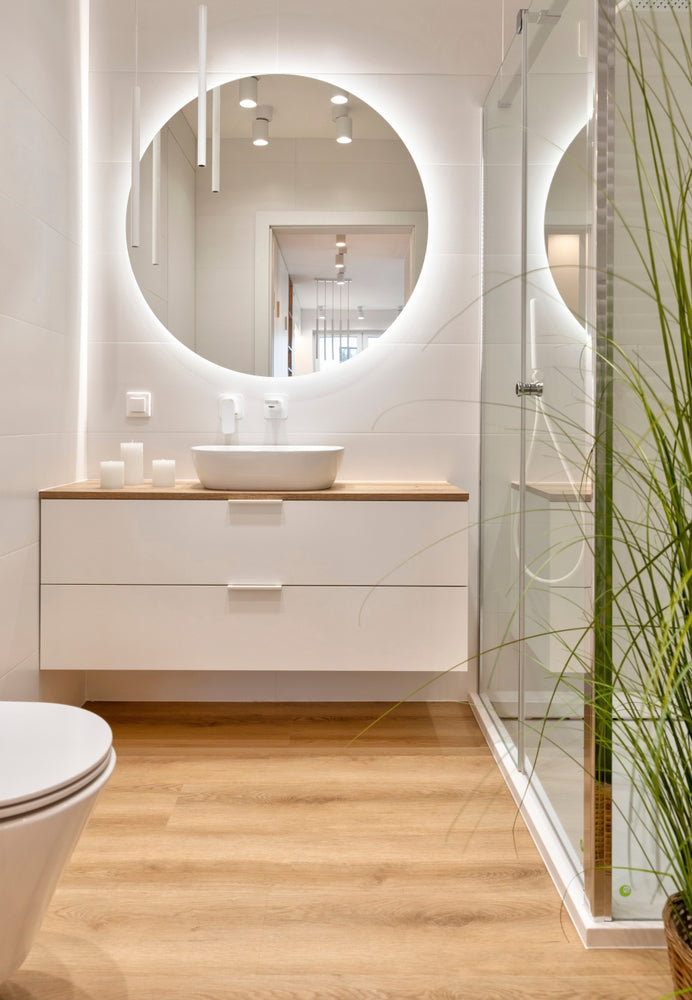
Optimal room temperature in the bathroom
After bathing or showering, you certainly don't want to feel chilly. Therefore, the temperature in the bathroom can be slightly higher than in the rest of the apartment. The guideline values are 22 to 23 degrees Celsius, which are acceptable in the bathroom. It is important that you ventilate sufficiently after showering so that the moisture can escape outside. This helps prevent mold growth.


Best air temperature in the bedroom
For a good night's sleep, the temperature in the bedroom should be between 18 and 20 degrees Celsius, but never higher. Many people also find 16 or 17 degrees at night comfortable. It is important that you neither sweat nor freeze while sleeping. During the day, you should keep the bedroom door closed to keep the cool air in the room. Before going to bed, it is advisable to air the room briefly.

Ideal room temperature in the living room
You usually spend most of the day in the living room. As you don't move around much on the sofa or while watching TV, the living room can be slightly warmer than the rest of the home. 20 to 23 degrees Celsius is considered ideal and is perceived as pleasant by most people.
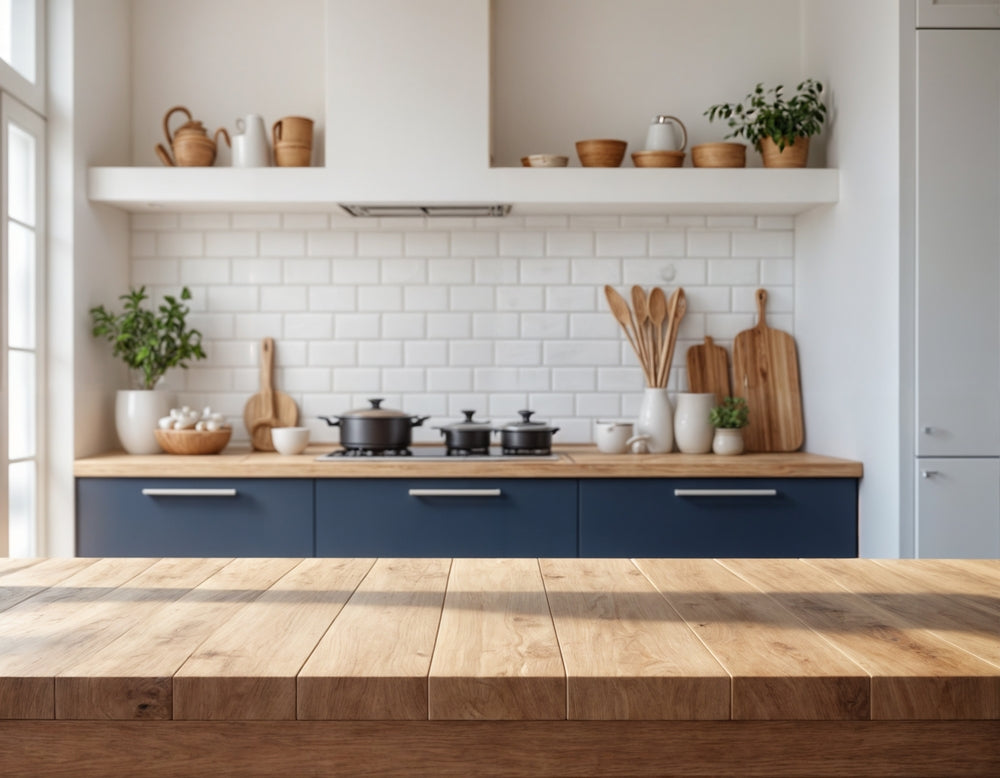
Perfect temperature in the kitchen
The oven, stove, and refrigerator in the kitchen give off heat, so the heating there doesn't have to work as hard as in other rooms. You can therefore set the temperature in the kitchen lower than elsewhere. The optimal room temperature for the kitchen is considered to be between 17 to 20 degrees Celsius.

Here you can see an overview of what the ideal room temperature should be depending on the room’s use.

How do I measure the temperature?
It’s not so easy to determine the exact temperature of a room. Depending on where you are in a room, the temperature can vary. The best way is to measure the temperature with an analog or digital thermometer in the middle of the room, about one meter above the floor. The thermometer should not be near the heater or in a very sunny spot in the room, as this can distort the result.
How do I maintain the ideal room temperature?
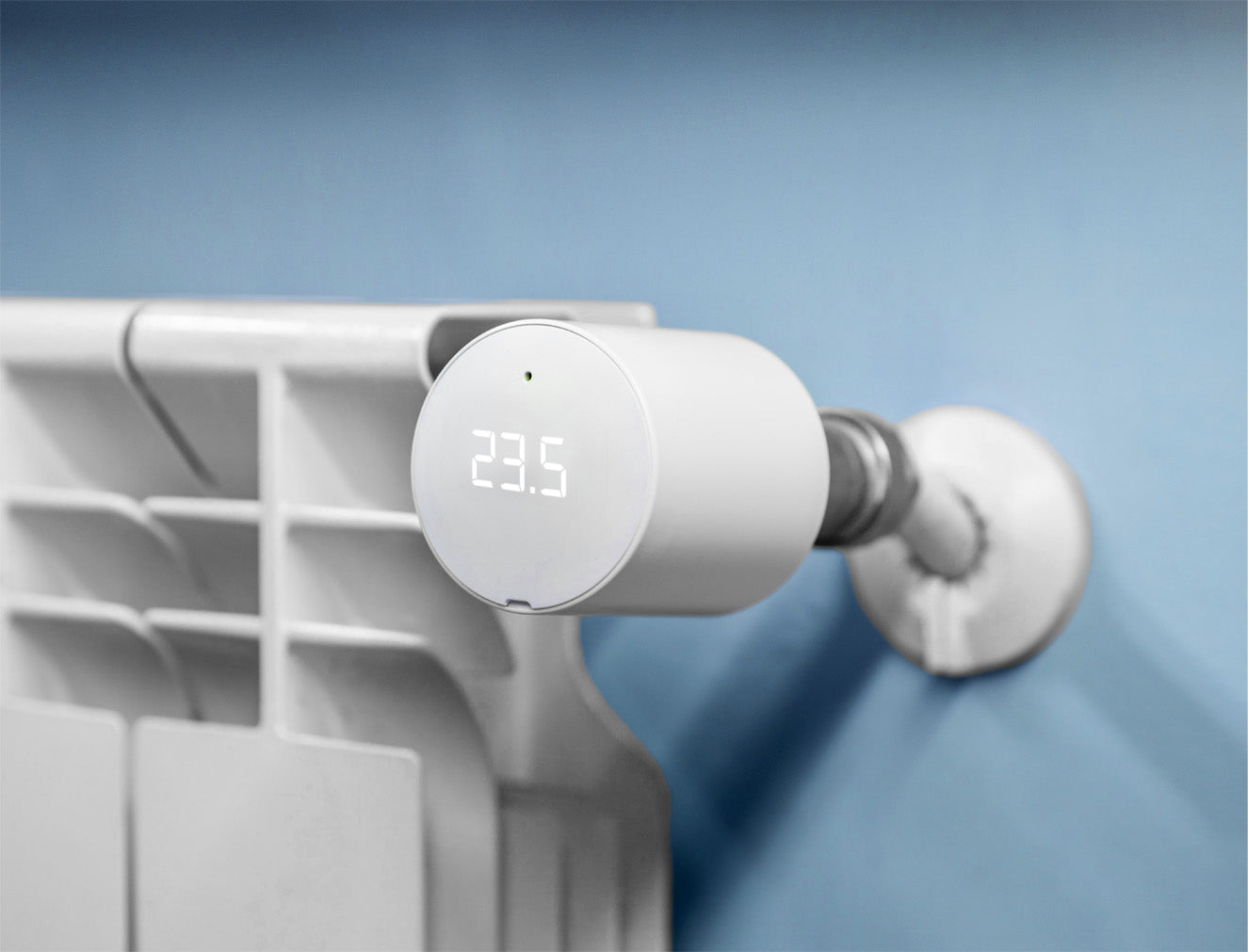
Wouldn't it be convenient if you didn’t have to constantly turn the heating up and down, but the room temperature stayed ideally constant? With Shelly products, this is very easy.

Control room temperature with an electric heater
You can also maintain room temperature with an electric heater. Simply connect it to the smart sockets Shelly Plug or Shelly Plug S Gen3. This is quick to do: plug the electric heater into the Plug or Plug S Gen3, plug the Shelly device into the socket, and then connect it with the Shelly App.

Control room temperature via underfloor heating

You can also make underfloor heating smart and control it according to your needs. Depending on the type of your underfloor heating, there are different options: If your underfloor heating has a valve, you can use the Shelly BLU TRV. A relay like the smart switch Shelly 1 Gen3 or the smaller version Shelly 1 Mini Gen3 can be connected to the manual controller of the underfloor heating. We explain how this works here.

Set up schedules via the app
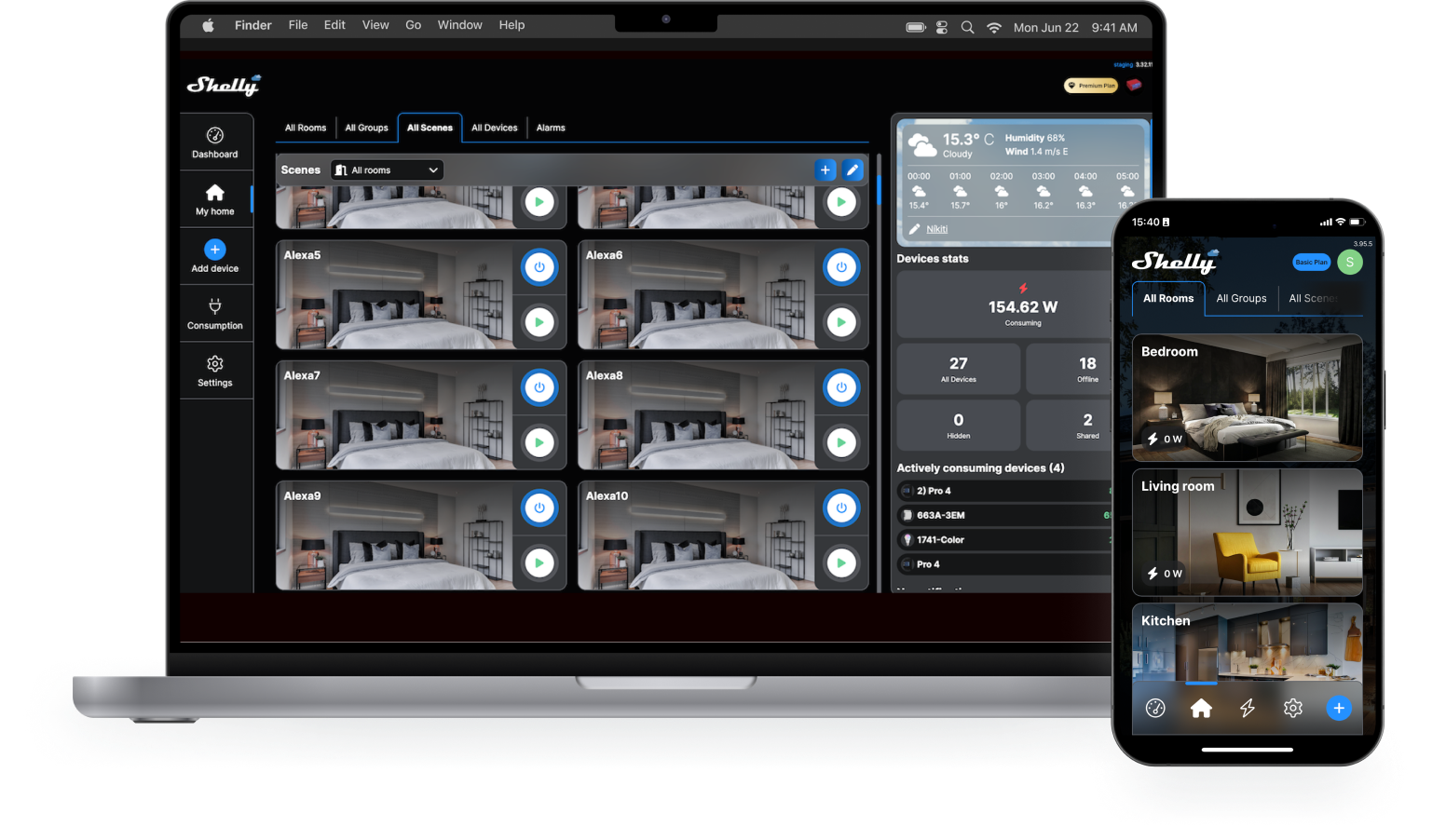 Very practical: Through the Shelly Smart Control app, you can set schedules for the respective heating devices or rooms to maintain an ideal room temperature permanently. With such a schedule, you can, for example, set your living room to have a cozy temperature at 6 p.m. when you come home from work. Or that your bathroom is comfortably warm for the morning shower.
Save heating costs with the right room temperature
With rising energy costs, it pays off to lower the room temperature a bit. For every degree less, you can save up to six percent heating energy. This not only saves your wallet but is also good for the climate because your oil or gas heating emits less CO2. Smart home devices from Shelly help you save:
- With the thermostat valve Shelly BLU TRV you can, for example, control the temperature individually in different rooms.
- With the app Shelly Smart Control you can lower the room temperature when you are away. Of course, this can also be done via schedules, in combination with other devices, or through voice control via Alexa or Google Home.
- Or you use the sensor Shelly BLU Door/Window so that your heating automatically switches off when airing.
In many other scenarios, depending on the conditions in your apartment, energy costs can also be saved. With the smart Shelly products, the possibilities for saving heating energy are almost limitless. Tip: On the stylish Shelly Wall Display, you can see all important data about the room temperature at a glance, so you can react anytime if a value is off.

Why is the ideal room temperature worthwhile?
An optimal temperature in all rooms contributes significantly to you enjoying being at home and feeling comfortable. But there are other reasons why you should aim for an ideal room temperature.
Stay healthy

Your immune system reacts sensitively if it is too hot or too cold in your home. If you turn the heating up too high, this leads to dry heat with low humidity. This dries out the mucous membranes and viruses and bacteria can colonize, possibly making you ill. An ideal room temperature also increases concentration and performance.
Reduce CO2
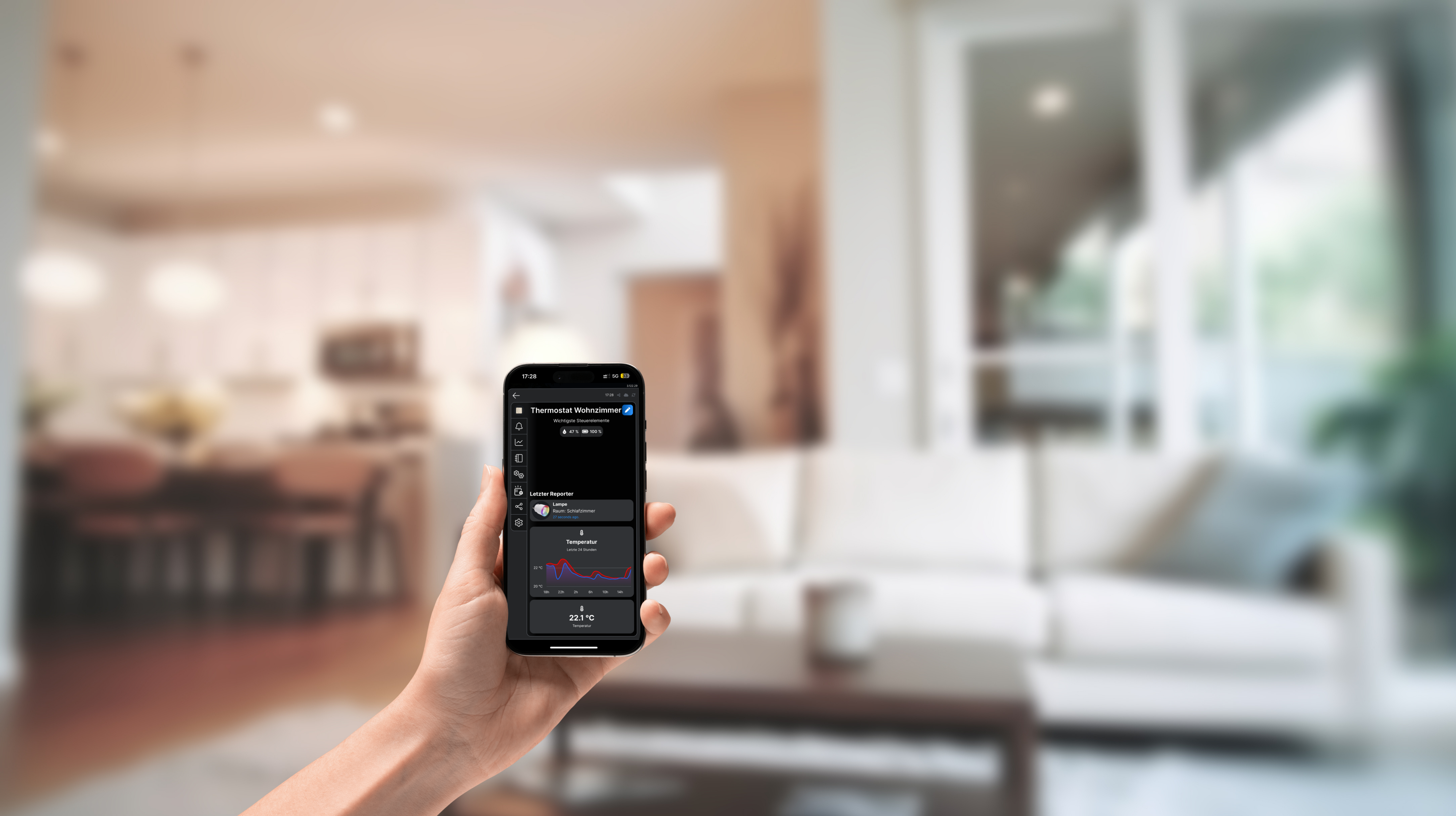
The environment will also thank you if you optimize your room temperature. Fossil energy sources such as coal, oil and natural gas release millions of tons of CO2 into the atmosphere every year, causing air pollution and global warming. The less you heat, the fewer emissions are released into the environment. So with the ideal room temperature, you become a small climate saver.
Save heating energy
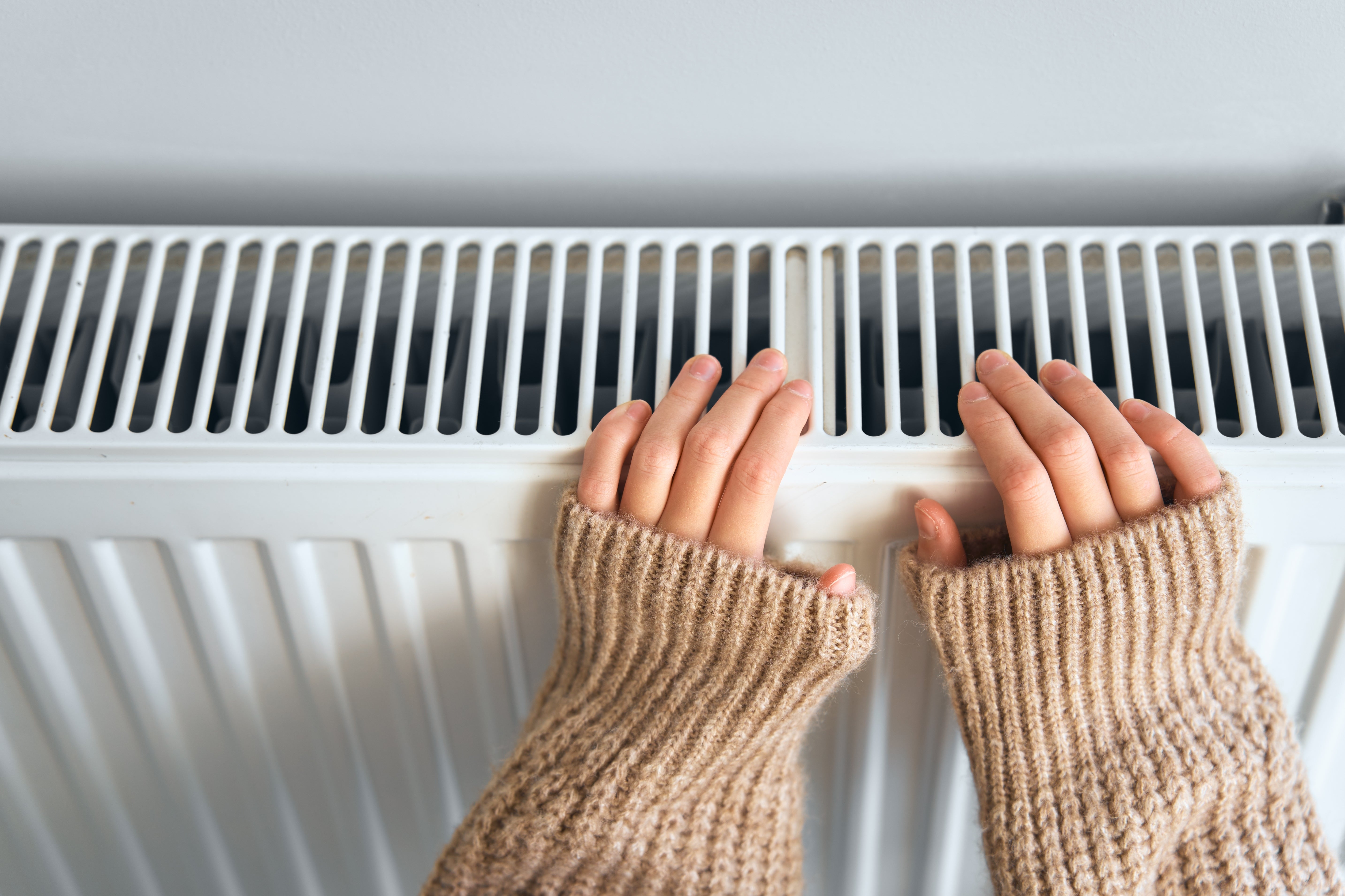
Heating oil and gas are becoming more and more expensive. A good reason to lower the temperature in your home slightly. With a cozy jumper and socks, it's easy to keep warm even when the temperature is one or two degrees lower. However, you should not overdo the savings, otherwise there is a risk of mould because the walls will cool down.
Avoid mould growth
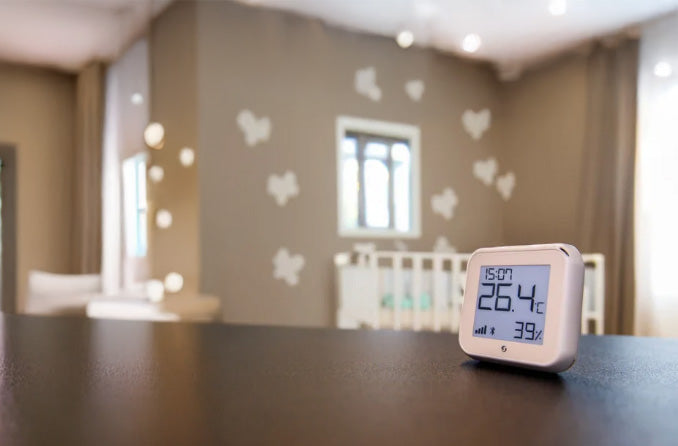
Mould develops when the humidity in rooms is too high and the temperature is too low. Condensation then forms on cool surfaces, which can quickly lead to mould. Warm air, on the other hand, retains moisture. You should therefore not allow unused rooms to cool down too much and - just like all rooms in the home - ventilate them regularly.